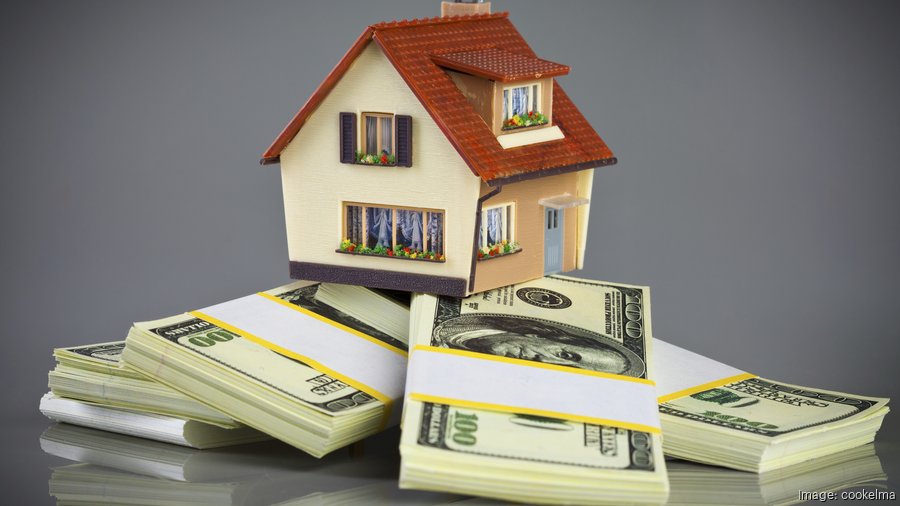
No matter where you look — Mumbai, London, New York, Sydney — the complaint sounds the same:
“Rent is insane.”
“Houses are impossible to buy.”
“How is anyone affording this?”
It’s tempting to blame greed. Or overpopulation. Or bad luck.
But housing affordability isn’t a local accident. It’s a structural shift that has unfolded over decades — shaped by interest rates, urban policy, financial markets, and inequality.
Housing didn’t just get expensive.
It became financial.
Low Interest Rates and the Asset Boom
For much of the last 15 years — especially after the 2008 financial crisis and during the COVID-19 pandemic — interest rates were historically low.
When interest rates fall:
- Mortgages become cheaper
- Borrowing increases
- More people qualify for loans
- Asset prices rise
Housing is particularly sensitive to interest rates because it’s usually bought with leverage. A small drop in rates dramatically increases what buyers can afford to borrow.
The result? Prices climb.
But here’s the nuance: low rates don’t just help first-time buyers. They also benefit investors. Property becomes attractive not just as shelter, but as a store of value and a yield-generating asset.
Cheap money inflated housing demand globally.
Supply Constraints: Cities Can’t Expand Easily
At the same time, supply hasn’t kept up.
Urban land is limited. Zoning laws restrict building height and density. Approval processes are slow. Infrastructure lags behind population growth.
In many cities, construction simply doesn’t match demand.
When:
- Population grows
- Incomes rise
- Investment demand increases
But housing supply responds slowly, prices escalate.
This isn’t just market failure. It’s political economy. Homeowners often resist new development because higher supply can soften prices — and their property is their wealth.
So scarcity becomes self-reinforcing.
Housing as an Investment, Not Just Shelter
One of the biggest shifts in modern economies is the financialization of housing.
Homes are no longer just places to live. They are:
- Collateral
- Retirement assets
- Rental income streams
- Speculative investments
Institutional investors, private equity firms, and global funds now buy residential property at scale. In many cities, housing markets are linked to global capital flows.
When foreign money enters local real estate markets, prices rise beyond local wage growth.
Housing becomes disconnected from income — and anchored instead to capital availability.
Why Wages Haven’t Kept Up
While housing prices have surged, wage growth in many countries has been relatively slow.
That gap matters.
If home prices grow at 10% annually but wages grow at 4%, affordability deteriorates over time — even without speculative bubbles.
Housing affordability isn’t just about price levels. It’s about price-to-income ratios.
And those ratios have widened globally.
A Quick Look at India
In India, the story has its own dynamics.
Urban migration continues. Middle-class demand for ownership remains strong. Real estate is often viewed as a stable investment relative to volatile financial markets.
At the same time:
- Land acquisition is complex
- Regulatory approvals are slow
- Urban planning constraints limit density
Cities like Mumbai face extreme land scarcity, while cities like Bengaluru and Gurgaon see rapid expansion but infrastructure strain.
India hasn’t experienced housing inflation in the same way as some Western markets over the past decade — but affordability challenges remain due to income disparities and financing costs.
The pressures look different. The structural themes are similar.
The Interest Rate Reversal
Now that global interest rates have risen again, mortgage costs have increased.
But prices haven’t fallen proportionately in many cities.
Why?
Because:
- Supply is still constrained
- Investors hold property long-term
- Demand remains strong
- Housing markets adjust slowly downward
Housing markets are sticky. They rise quickly in booms, but fall gradually in slowdowns.
Affordability pain lingers.
A Global Pattern
Whether it’s:
- Toronto
- Berlin
- London
- Mumbai
- San Francisco
The pattern is similar:
Cheap credit + constrained supply + rising investment demand = expensive housing.
The specifics vary. The mechanism repeats.
The Real Problem
Housing feels unaffordable because it sits at the intersection of:
- Monetary policy
- Urban regulation
- Wealth inequality
- Investment behavior
It’s not just a supply issue.
It’s not just a demand issue.
It’s not just speculation.
It’s structural.
And when housing becomes primarily an asset, those who already own property benefit from rising prices — while those trying to enter the market face increasingly high barriers.
Affordability becomes generational.
The Takeaway
Housing markets don’t just reflect where people want to live.
They reflect:
- Where capital wants to park
- Where policy allows building
- Where interest rates make borrowing easy
Homes are emotional.
But housing is economic.
And until supply, credit conditions, and investment incentives align differently, housing will continue to feel less like shelter — and more like a financial instrument.
 The Econ Odyssey
Leave a comment